


The Halstead & District Local History Society meet at the Halstead Baptist Church, Hedingham Road, Halstead, Essex every third Thursday of the month between September and May. In June and July we usually try to organise visits on either a Saturday or Sunday to a venue which has been covered in one of our previous meetings. We don't normally organise anything during August.
For further information, please email: info@halsteadhistory.org.uk
For further information, please email: info@halsteadhistory.org.uk
- 16 people like this
- 5 Posts
- 4 Photos
- 1 Videos
- Art & Culture in Halstead
- Halstead & District Local History Society
- 07765 406254
- Queen's Hall, Chipping Hill, Halstead

 French
 Spanish
 Portuguese
 Deutsch
 Turkish
 Dutch
Dutch
 Italiano
 Russian
 Romaian
 Portuguese (Brazil)
 Greek
Greek
Recent Updates
- Halstead Christmas Market , Circa 1970’s
#HalsteadTown #HalsteadMarket #HalsteadChristmas #ChristmasMarket #HalsteadHistory
source img: Halstead & District Local History Society @
https://halsteadtown.com/pages/HalsteadHeritageMuseumHalstead Christmas Market , Circa 1970’s #HalsteadTown #HalsteadMarket #HalsteadChristmas #ChristmasMarket #HalsteadHistory source img: Halstead & District Local History Society @ https://halsteadtown.com/pages/HalsteadHeritageMuseum1 Comments 0 Shares 1661 Views 13
 11
11
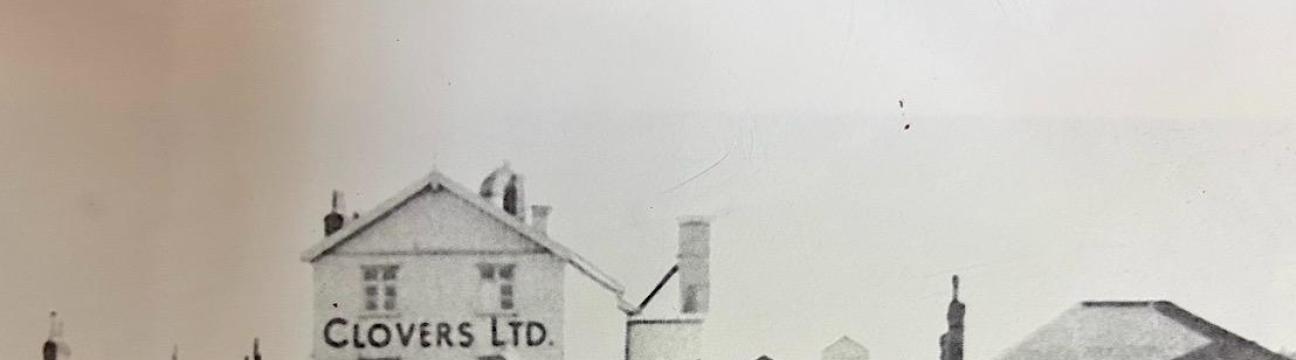
- Clover’s Mill — A Building of Many Lives
Positioned at the corner of what is now Bridge Street and Trinity Street, the building that would become Clover’s Mill has one of the more layered histories in Halstead.
Constructed in 1782, it was originally built to serve as the town’s House of Correction — itself a replacement for an earlier prison that had burned down the previous year.
That earlier facility had been a thatched cottage, rented from the Trustees of Martin’s Charity, located somewhere near the present-day Trinity Court.
It housed men and women in separate quarters, with an additional room for the sick. Conditions were harsh: prisoners received no water, subsisting on a daily ration of bread and beer.
They were set to work spinning, though none of the proceeds went to them. In March 1781 the building caught fire, and four inmates — three men and one woman — lost their lives. The replacement was built swiftly.
Before a formal police force existed, the streets were patrolled by parish constables.
Anyone arrested at night was held in a cage in what was then called Vause Lane — later known as Mill Chase — before being brought to the House of Correction the following morning.
By 1841, the decision had been taken not to repair the ageing building. Prisoners were moved to Chelmsford Gaol, and the premises were repurposed as Halstead’s first police station for the newly established Essex Constabulary.
A purpose-built station followed nine years later in Chapel Street (now Trinity Street), freeing up the old building once more — this time for conversion into a flour mill.
Owen Clover, who was connected to the milling trade for close to half a century before his death in 1904, took over the premises and gave the building the name by which it became known.
When the mill was eventually demolished in 1969, the work uncovered more than expected.
A local resident, Eve Faulkner, happened to be speaking with two of the demolition workers, who led her to a remarkable find: a complete packhorse bridge of considerable age, which had lain hidden beneath the silt of the riverbed near the present footbridge to the car park.
On the mill-side bank, at the bridge’s end, a small stone lock-up was also discovered — solidly built and resistant to demolition. The bridge was ultimately reburied in the silt, where it is believed to remain.
Source: Halstead & District Local History Society — ‘Clover’s Mill in 1960’, original text & image reproduced with acknowledgement for research, education and review purposes.
MORE @ Halstead & District Local History Society
https://www.halsteadhistory.org.uk
#HalsteadTown #HouseOfCorrection #HalsteadHistory #OwenClover #CloversMill#HalsteadPolice #EssexHistory #HalsteadParishClover’s Mill — A Building of Many Lives Positioned at the corner of what is now Bridge Street and Trinity Street, the building that would become Clover’s Mill has one of the more layered histories in Halstead. Constructed in 1782, it was originally built to serve as the town’s House of Correction — itself a replacement for an earlier prison that had burned down the previous year. That earlier facility had been a thatched cottage, rented from the Trustees of Martin’s Charity, located somewhere near the present-day Trinity Court. It housed men and women in separate quarters, with an additional room for the sick. Conditions were harsh: prisoners received no water, subsisting on a daily ration of bread and beer. They were set to work spinning, though none of the proceeds went to them. In March 1781 the building caught fire, and four inmates — three men and one woman — lost their lives. The replacement was built swiftly. Before a formal police force existed, the streets were patrolled by parish constables. Anyone arrested at night was held in a cage in what was then called Vause Lane — later known as Mill Chase — before being brought to the House of Correction the following morning. By 1841, the decision had been taken not to repair the ageing building. Prisoners were moved to Chelmsford Gaol, and the premises were repurposed as Halstead’s first police station for the newly established Essex Constabulary. A purpose-built station followed nine years later in Chapel Street (now Trinity Street), freeing up the old building once more — this time for conversion into a flour mill. Owen Clover, who was connected to the milling trade for close to half a century before his death in 1904, took over the premises and gave the building the name by which it became known. When the mill was eventually demolished in 1969, the work uncovered more than expected. A local resident, Eve Faulkner, happened to be speaking with two of the demolition workers, who led her to a remarkable find: a complete packhorse bridge of considerable age, which had lain hidden beneath the silt of the riverbed near the present footbridge to the car park. On the mill-side bank, at the bridge’s end, a small stone lock-up was also discovered — solidly built and resistant to demolition. The bridge was ultimately reburied in the silt, where it is believed to remain. Source: Halstead & District Local History Society — ‘Clover’s Mill in 1960’, original text & image reproduced with acknowledgement for research, education and review purposes. MORE @ Halstead & District Local History Society https://www.halsteadhistory.org.uk #HalsteadTown #HouseOfCorrection #HalsteadHistory #OwenClover #CloversMill#HalsteadPolice #EssexHistory #HalsteadParish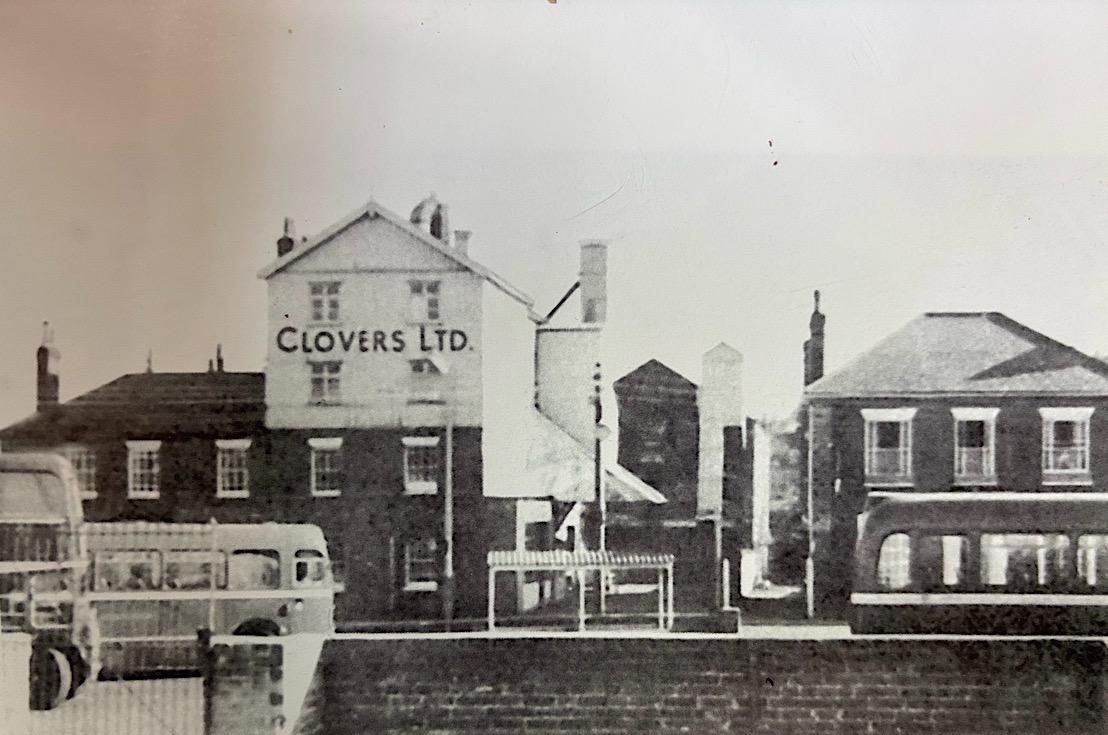 1 Comments 0 Shares 1383 Views 8
 - Clover’s Mill — A Building of Many Lives
Positioned at the corner of what is now Bridge Street and Trinity Street, the building that would become Clover’s Mill has one of the more layered histories in Halstead.
Constructed in 1782, it was originally built to serve as the town’s House of Correction — itself a replacement for an earlier prison that had burned down the previous year.
That earlier facility had been a thatched cottage, rented from the Trustees of Martin’s Charity, located somewhere near the present-day Trinity Court.
It housed men and women in separate quarters, with an additional room for the sick. Conditions were harsh: prisoners received no water, subsisting on a daily ration of bread and beer.
They were set to work spinning, though none of the proceeds went to them. In March 1781 the building caught fire, and four inmates — three men and one woman — lost their lives. The replacement was built swiftly.
Before a formal police force existed, the streets were patrolled by parish constables.
Anyone arrested at night was held in a cage in what was then called Vause Lane — later known as Mill Chase — before being brought to the House of Correction the following morning.
By 1841, the decision had been taken not to repair the ageing building. Prisoners were moved to Chelmsford Gaol, and the premises were repurposed as Halstead’s first police station for the newly established Essex Constabulary.
A purpose-built station followed nine years later in Chapel Street (now Trinity Street), freeing up the old building once more — this time for conversion into a flour mill.
Owen Clover, who was connected to the milling trade for close to half a century before his death in 1904, took over the premises and gave the building the name by which it became known.
When the mill was eventually demolished in 1969, the work uncovered more than expected.
A local resident, Eve Faulkner, happened to be speaking with two of the demolition workers, who led her to a remarkable find: a complete packhorse bridge of considerable age, which had lain hidden beneath the silt of the riverbed near the present footbridge to the car park.
On the mill-side bank, at the bridge’s end, a small stone lock-up was also discovered — solidly built and resistant to demolition. The bridge was ultimately reburied in the silt, where it is believed to remain.
Source: Halstead & District Local History Society — ‘Clover’s Mill in 1960’, original text & image reproduced with acknowledgement for research, education and review purposes.
MORE @ Halstead & District Local History Society
https://www.halsteadhistory.org.uk
#HalsteadTown #HouseOfCorrection #HalsteadHistory #OwenClover #CloversMill #HalsteadPolice #EssexHistory #HalsteadParishClover’s Mill — A Building of Many Lives Positioned at the corner of what is now Bridge Street and Trinity Street, the building that would become Clover’s Mill has one of the more layered histories in Halstead. Constructed in 1782, it was originally built to serve as the town’s House of Correction — itself a replacement for an earlier prison that had burned down the previous year. That earlier facility had been a thatched cottage, rented from the Trustees of Martin’s Charity, located somewhere near the present-day Trinity Court. It housed men and women in separate quarters, with an additional room for the sick. Conditions were harsh: prisoners received no water, subsisting on a daily ration of bread and beer. They were set to work spinning, though none of the proceeds went to them. In March 1781 the building caught fire, and four inmates — three men and one woman — lost their lives. The replacement was built swiftly. Before a formal police force existed, the streets were patrolled by parish constables. Anyone arrested at night was held in a cage in what was then called Vause Lane — later known as Mill Chase — before being brought to the House of Correction the following morning. By 1841, the decision had been taken not to repair the ageing building. Prisoners were moved to Chelmsford Gaol, and the premises were repurposed as Halstead’s first police station for the newly established Essex Constabulary. A purpose-built station followed nine years later in Chapel Street (now Trinity Street), freeing up the old building once more — this time for conversion into a flour mill. Owen Clover, who was connected to the milling trade for close to half a century before his death in 1904, took over the premises and gave the building the name by which it became known. When the mill was eventually demolished in 1969, the work uncovered more than expected. A local resident, Eve Faulkner, happened to be speaking with two of the demolition workers, who led her to a remarkable find: a complete packhorse bridge of considerable age, which had lain hidden beneath the silt of the riverbed near the present footbridge to the car park. On the mill-side bank, at the bridge’s end, a small stone lock-up was also discovered — solidly built and resistant to demolition. The bridge was ultimately reburied in the silt, where it is believed to remain. Source: Halstead & District Local History Society — ‘Clover’s Mill in 1960’, original text & image reproduced with acknowledgement for research, education and review purposes. MORE @ Halstead & District Local History Society https://www.halsteadhistory.org.uk #HalsteadTown #HouseOfCorrection #HalsteadHistory #OwenClover #CloversMill #HalsteadPolice #EssexHistory #HalsteadParish 1 Comments 1 Shares 1585 Views 7 - Source: Halstead & District Local History Society — image reproduced with acknowledgement for research, education and review purposes.
MORE @ Halstead & District Local History Society
https://www.halsteadhistory.org.ukSource: Halstead & District Local History Society — image reproduced with acknowledgement for research, education and review purposes. MORE @ Halstead & District Local History Society https://www.halsteadhistory.org.uk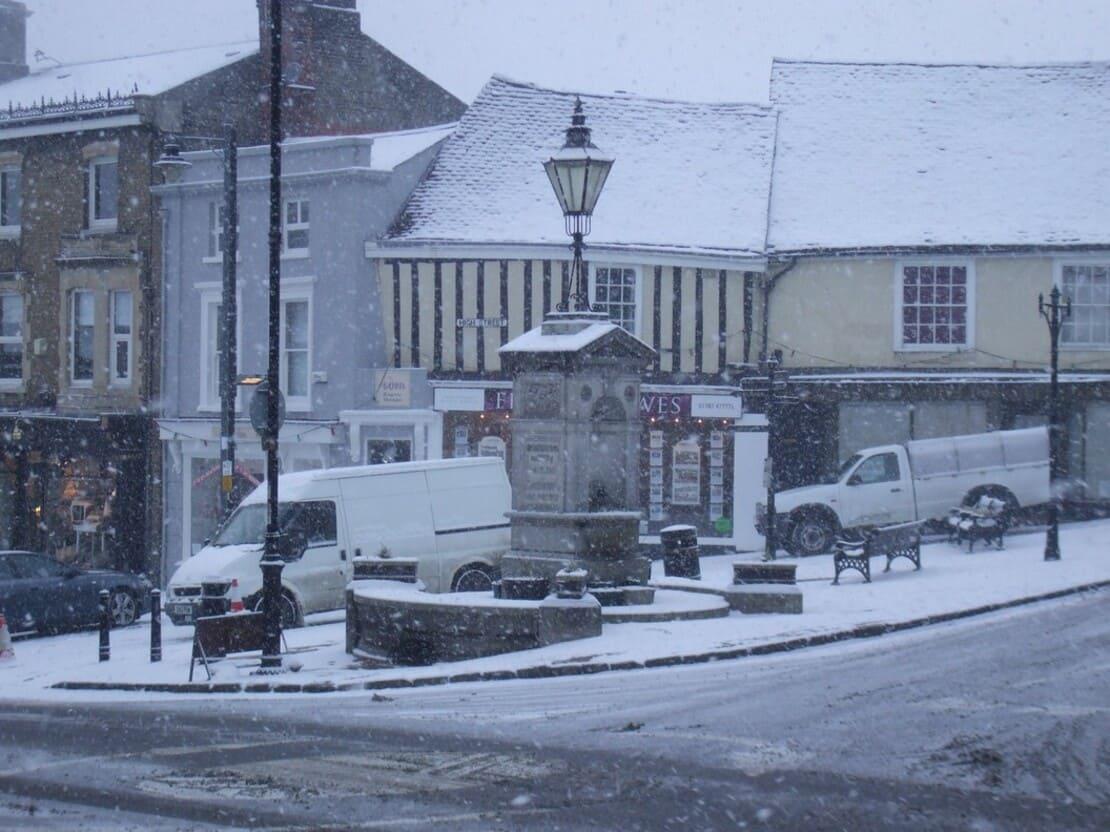 1 Comments 0 Shares 1816 Views 5
 - Source: Halstead & District Local History Society — ‘Clover’s Mill in 1960’, original text & image reproduced with acknowledgement for research, education and review purposes.
MORE @ Halstead & District Local History Society
https://www.halsteadhistory.org.ukSource: Halstead & District Local History Society — ‘Clover’s Mill in 1960’, original text & image reproduced with acknowledgement for research, education and review purposes. MORE @ Halstead & District Local History Society https://www.halsteadhistory.org.uk 0 Comments 0 Shares 1883 Views 3
More Stories
Sponsored