


Personal paragraph
Over the past two decades, living in Halstead has given me a deep appreciation for the layers of history that surround everyday life here.
Twenty years in Halstead: what this town has taught me
Over the past two decades, living in Halstead has given me a deep appreciation for the layers of history that surround everyday life here.
What at first seemed like a quiet market town has gradually revealed its stories—of industry, resilience, and community—hidden in its buildings, streets, and landscape.
Set within the picturesque Colne Valley, Halstead is a town shaped by centuries of change, resilience, and industry. Its name, thought to mean “shelter on a hillside,” hints at its earliest beginnings as a modest settlement, long before it grew into the thriving community we recognise today.
Human activity in the area stretches back to prehistoric times. Archaeological discoveries point to Bronze Age origins, followed by evidence of Iron Age life and a significant Roman presence, including the remains of a villa. These early inhabitants laid the foundations for a settlement that would endure and evolve through successive eras of British history.
By the time of the Domesday Book in 1086, Halstead was already an established village, with valuable mills operating along the River Colne. Its position within the valley made it a natural centre for agriculture and trade.
During the medieval period, Halstead developed into a bustling market town, with its commercial life focused on Chipping Hill and its spiritual heart at St Andrew’s Church, a landmark that still stands today.
The granting of a market charter formalised its role as a hub for the surrounding countryside.
In the centuries that followed, Halstead continued to expand both physically and socially. Schools, chapels, and civic institutions emerged, reflecting a growing and increasingly diverse population.
The town’s structure and identity were shaped not only by its rural surroundings but also by the ambitions and enterprise of its inhabitants.
The most dramatic period of transformation came with the Industrial Revolution. Halstead became renowned for its textile industry, particularly silk and crepe production.
The Courtauld silk mill, once the town’s largest employer, dominated local life for generations and brought both prosperity and rapid growth.
Alongside textiles, other industries—including brewing, iron founding, and timber—contributed to a vibrant and industrious local economy. The arrival of the railway in the 19th century further connected Halstead to wider markets and opportunities.
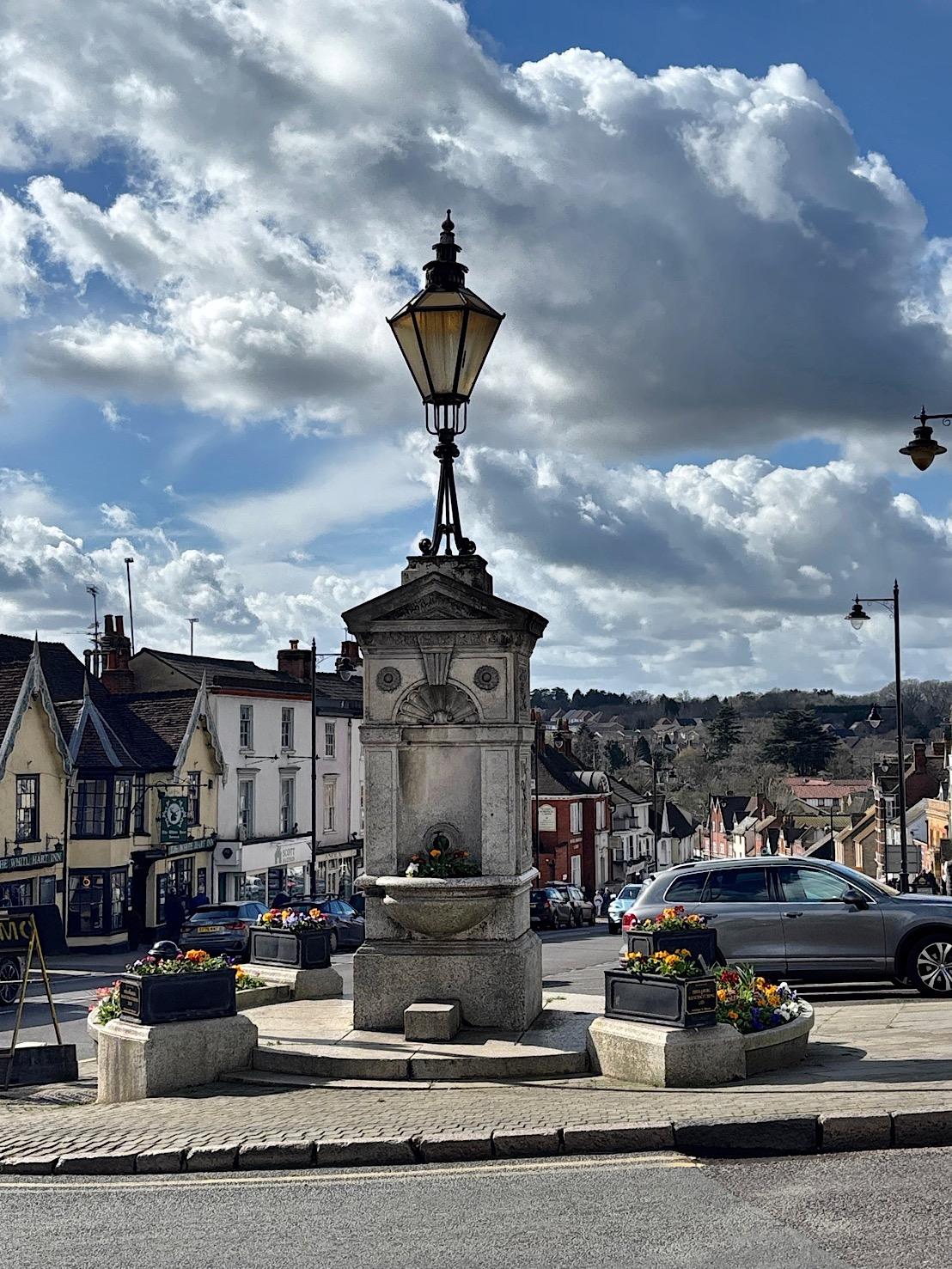
Though the mills have long since fallen silent, their legacy remains deeply embedded in the town’s character. Many historic buildings still stand, from former industrial sites to civic landmarks such as the Corn Exchange and the Cottage Hospital. The layout of the town, its streets, and its architecture all reflect the layers of its past.
Today, Halstead is a place where history is ever-present. Its story is one of continuity and change—a town that has adapted across centuries while preserving the traces of its origins.
Visitors and residents alike can still see and feel the influences of its ancient roots, medieval prosperity, and industrial heritage, making Halstead a unique window into England’s past.
Mark Sedgwick
#HalsteadTown #HalsteadPhotograph
#MarkSedgwick
Over the past two decades, living in Halstead has given me a deep appreciation for the layers of history that surround everyday life here.
Twenty years in Halstead: what this town has taught me
Over the past two decades, living in Halstead has given me a deep appreciation for the layers of history that surround everyday life here.
What at first seemed like a quiet market town has gradually revealed its stories—of industry, resilience, and community—hidden in its buildings, streets, and landscape.
Set within the picturesque Colne Valley, Halstead is a town shaped by centuries of change, resilience, and industry. Its name, thought to mean “shelter on a hillside,” hints at its earliest beginnings as a modest settlement, long before it grew into the thriving community we recognise today.
Human activity in the area stretches back to prehistoric times. Archaeological discoveries point to Bronze Age origins, followed by evidence of Iron Age life and a significant Roman presence, including the remains of a villa. These early inhabitants laid the foundations for a settlement that would endure and evolve through successive eras of British history.
By the time of the Domesday Book in 1086, Halstead was already an established village, with valuable mills operating along the River Colne. Its position within the valley made it a natural centre for agriculture and trade.
During the medieval period, Halstead developed into a bustling market town, with its commercial life focused on Chipping Hill and its spiritual heart at St Andrew’s Church, a landmark that still stands today.
The granting of a market charter formalised its role as a hub for the surrounding countryside.
In the centuries that followed, Halstead continued to expand both physically and socially. Schools, chapels, and civic institutions emerged, reflecting a growing and increasingly diverse population.
The town’s structure and identity were shaped not only by its rural surroundings but also by the ambitions and enterprise of its inhabitants.
The most dramatic period of transformation came with the Industrial Revolution. Halstead became renowned for its textile industry, particularly silk and crepe production.
The Courtauld silk mill, once the town’s largest employer, dominated local life for generations and brought both prosperity and rapid growth.
Alongside textiles, other industries—including brewing, iron founding, and timber—contributed to a vibrant and industrious local economy. The arrival of the railway in the 19th century further connected Halstead to wider markets and opportunities.
Though the mills have long since fallen silent, their legacy remains deeply embedded in the town’s character. Many historic buildings still stand, from former industrial sites to civic landmarks such as the Corn Exchange and the Cottage Hospital. The layout of the town, its streets, and its architecture all reflect the layers of its past.
Today, Halstead is a place where history is ever-present. Its story is one of continuity and change—a town that has adapted across centuries while preserving the traces of its origins.
Visitors and residents alike can still see and feel the influences of its ancient roots, medieval prosperity, and industrial heritage, making Halstead a unique window into England’s past.
Mark Sedgwick
#HalsteadTown #HalsteadPhotograph
#MarkSedgwick
Personal paragraph
Over the past two decades, living in Halstead has given me a deep appreciation for the layers of history that surround everyday life here.
Twenty years in Halstead: what this town has taught me
Over the past two decades, living in Halstead has given me a deep appreciation for the layers of history that surround everyday life here.
What at first seemed like a quiet market town has gradually revealed its stories—of industry, resilience, and community—hidden in its buildings, streets, and landscape.
Set within the picturesque Colne Valley, Halstead is a town shaped by centuries of change, resilience, and industry. Its name, thought to mean “shelter on a hillside,” hints at its earliest beginnings as a modest settlement, long before it grew into the thriving community we recognise today.
Human activity in the area stretches back to prehistoric times. Archaeological discoveries point to Bronze Age origins, followed by evidence of Iron Age life and a significant Roman presence, including the remains of a villa. These early inhabitants laid the foundations for a settlement that would endure and evolve through successive eras of British history.
By the time of the Domesday Book in 1086, Halstead was already an established village, with valuable mills operating along the River Colne. Its position within the valley made it a natural centre for agriculture and trade.
During the medieval period, Halstead developed into a bustling market town, with its commercial life focused on Chipping Hill and its spiritual heart at St Andrew’s Church, a landmark that still stands today.
The granting of a market charter formalised its role as a hub for the surrounding countryside.
In the centuries that followed, Halstead continued to expand both physically and socially. Schools, chapels, and civic institutions emerged, reflecting a growing and increasingly diverse population.
The town’s structure and identity were shaped not only by its rural surroundings but also by the ambitions and enterprise of its inhabitants.
The most dramatic period of transformation came with the Industrial Revolution. Halstead became renowned for its textile industry, particularly silk and crepe production.
The Courtauld silk mill, once the town’s largest employer, dominated local life for generations and brought both prosperity and rapid growth.
Alongside textiles, other industries—including brewing, iron founding, and timber—contributed to a vibrant and industrious local economy. The arrival of the railway in the 19th century further connected Halstead to wider markets and opportunities.
Though the mills have long since fallen silent, their legacy remains deeply embedded in the town’s character. Many historic buildings still stand, from former industrial sites to civic landmarks such as the Corn Exchange and the Cottage Hospital. The layout of the town, its streets, and its architecture all reflect the layers of its past.
Today, Halstead is a place where history is ever-present. Its story is one of continuity and change—a town that has adapted across centuries while preserving the traces of its origins.
Visitors and residents alike can still see and feel the influences of its ancient roots, medieval prosperity, and industrial heritage, making Halstead a unique window into England’s past.
Mark Sedgwick
#HalsteadTown #HalsteadPhotograph
#MarkSedgwick




 English
 French
 Spanish
 Portuguese
 Deutsch
 Turkish
 Dutch
Dutch
 Italiano
 Russian
 Romaian
 Greek
Greek